Abu Dhabi
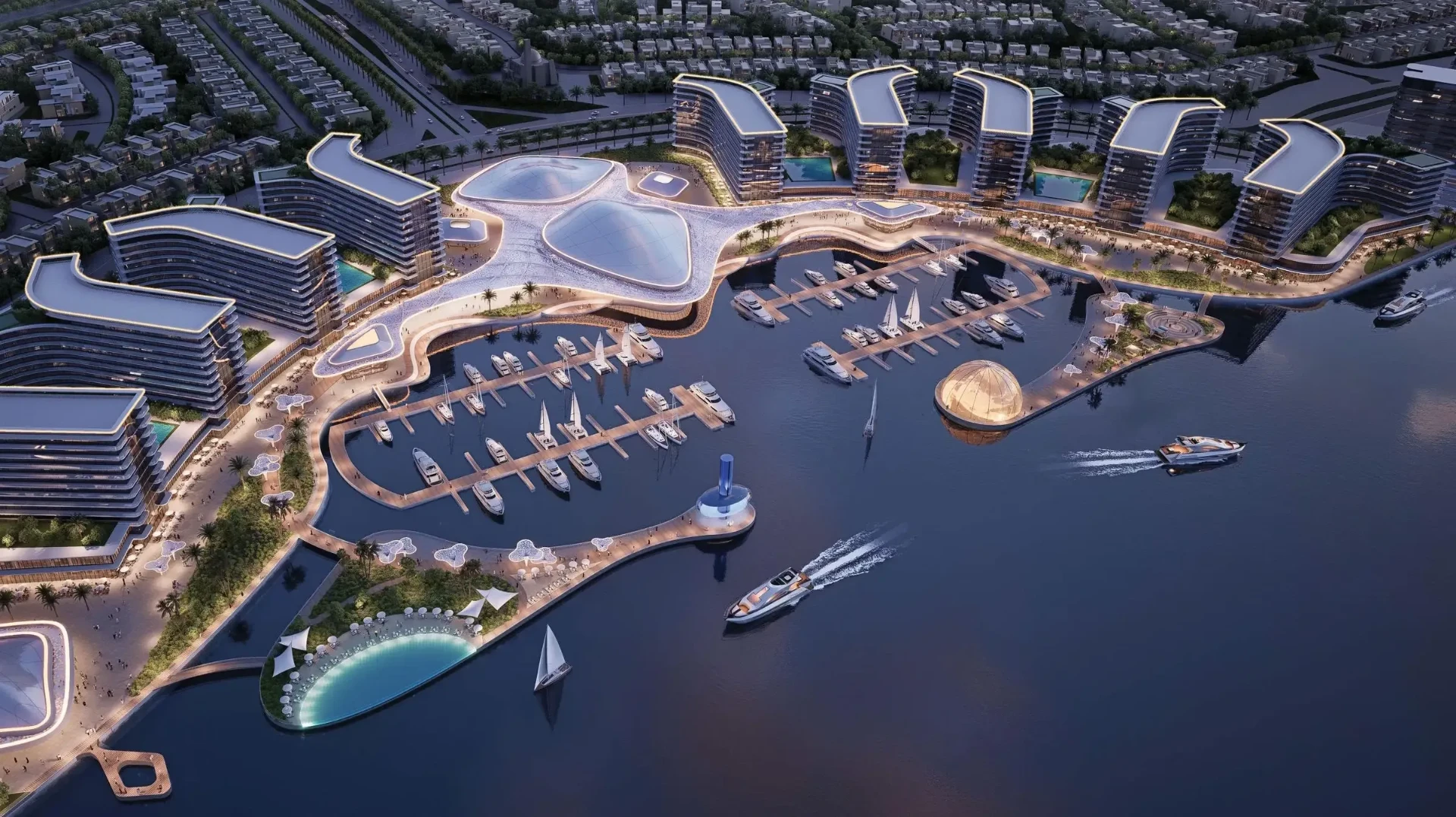
Sobha City, Al Bahiya
WAH Score
7,7/ 10
Abu Dhabi is a slower, more institutional market than Dubai. We only publish an asset here once it clears every one of our criteria.
As the UAE capital, Abu Dhabi draws its rental demand from public sector employment, the energy industry and major cultural and educational institutions. The result is a less speculative market than Dubai: lower price volatility, longer-staying tenants and stable occupancy rates.
Gross yields generally sit between 6% and 8%, with a premium for newer investment zones. The trade-off is lower liquidity: resale takes longer than in Dubai, and our WAH Score factors that in explicitly.
Freehold ownership by foreigners is restricted to designated investment zones: Yas Island, Saadiyat Island, Al Reem Island, Al Raha Beach and Masdar City. Yas Island benefits from tourism and theme parks, Saadiyat from its cultural and academic hub, and Al Reem from dense residential rental demand with more accessible entry tickets.
Outside these zones, foreign ownership is limited to usufruct or long-term lease rights, which we do not include in our selection.
Abu Dhabi suits an investor who values stability and steady income over quick appreciation. It is often a diversification play for a portfolio already exposed to Dubai.
If no opportunity appears above, it simply means no current deal has cleared our BUY threshold. We alert you as soon as an asset passes our criteria.
Yes, but only in designated investment zones: Yas Island, Saadiyat Island, Al Reem Island, Al Raha Beach and Masdar City. Elsewhere, foreign access is limited to long-term leases.
Dubai offers more liquidity, more choice and faster resale. Abu Dhabi offers more stability, longer-term tenants and lower volatility. A first investment usually goes to Dubai; Abu Dhabi is more often used to anchor an existing portfolio.
Roughly 6% to 8% gross depending on the zone and property type, with generally high occupancy rates thanks to structural rental demand.
Registration fees run around 2% of the price, plus agency fees and administrative costs, for a typical total of 3% to 5%.
The UAE has no personal income tax and no capital gains tax on property. Your tax residency rules still need to be checked with a dedicated analyst.